1. Molecular Design and Biological Origins
1.1 Structural Diversity and Amphiphilic Design
(Biosurfactants)
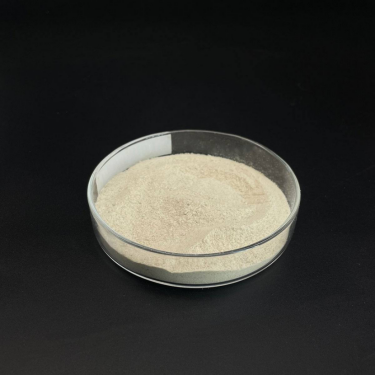
Biosurfactants are a heterogeneous team of surface-active particles produced by microbes, including germs, yeasts, and fungis, defined by their unique amphiphilic framework comprising both hydrophilic and hydrophobic domains.
Unlike synthetic surfactants derived from petrochemicals, biosurfactants show exceptional structural diversity, ranging from glycolipids like rhamnolipids and sophorolipids to lipopeptides such as surfactin and iturin, each tailored by specific microbial metabolic pathways.
The hydrophobic tail typically contains fat chains or lipid moieties, while the hydrophilic head may be a carb, amino acid, peptide, or phosphate group, identifying the molecule’s solubility and interfacial task.
This natural building accuracy allows biosurfactants to self-assemble into micelles, vesicles, or solutions at exceptionally reduced essential micelle focus (CMC), typically substantially lower than their synthetic equivalents.
The stereochemistry of these particles, often entailing chiral facilities in the sugar or peptide areas, passes on certain organic tasks and interaction capacities that are hard to replicate synthetically.
Recognizing this molecular intricacy is essential for harnessing their potential in commercial solutions, where details interfacial buildings are needed for security and efficiency.
1.2 Microbial Manufacturing and Fermentation Methods
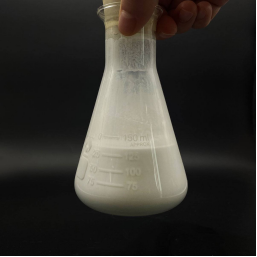
The production of biosurfactants counts on the growing of certain microbial pressures under regulated fermentation conditions, using eco-friendly substrates such as vegetable oils, molasses, or farming waste.
Germs like Pseudomonas aeruginosa and Bacillus subtilis are respected manufacturers of rhamnolipids and surfactin, specifically, while yeasts such as Starmerella bombicola are maximized for sophorolipid synthesis.
Fermentation procedures can be optimized through fed-batch or constant societies, where criteria like pH, temperature, oxygen transfer rate, and nutrient constraint (particularly nitrogen or phosphorus) trigger additional metabolite manufacturing.
(Biosurfactants )
Downstream processing continues to be a crucial obstacle, including strategies like solvent extraction, ultrafiltration, and chromatography to isolate high-purity biosurfactants without jeopardizing their bioactivity.
Recent advances in metabolic engineering and artificial biology are allowing the design of hyper-producing stress, minimizing manufacturing prices and improving the financial stability of large production.
The change toward using non-food biomass and industrial results as feedstocks further lines up biosurfactant manufacturing with round economic situation principles and sustainability goals.
2. Physicochemical Devices and Practical Advantages
2.1 Interfacial Stress Decrease and Emulsification
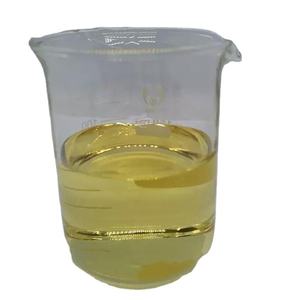
The primary function of biosurfactants is their capacity to considerably reduce surface and interfacial tension between immiscible stages, such as oil and water, helping with the development of steady emulsions.
By adsorbing at the user interface, these molecules lower the energy obstacle required for bead dispersion, developing great, consistent solutions that stand up to coalescence and stage separation over extended periods.
Their emulsifying capability often goes beyond that of synthetic representatives, particularly in extreme problems of temperature, pH, and salinity, making them suitable for severe industrial atmospheres.
(Biosurfactants )
In oil recovery applications, biosurfactants mobilize entraped petroleum by decreasing interfacial stress to ultra-low levels, improving extraction effectiveness from permeable rock formations.
The security of biosurfactant-stabilized solutions is attributed to the formation of viscoelastic films at the interface, which provide steric and electrostatic repulsion against bead merging.
This durable performance guarantees constant product high quality in formulations ranging from cosmetics and preservative to agrochemicals and drugs.
2.2 Environmental Stability and Biodegradability
A specifying benefit of biosurfactants is their outstanding stability under extreme physicochemical conditions, including heats, vast pH varieties, and high salt concentrations, where synthetic surfactants frequently speed up or degrade.
Furthermore, biosurfactants are inherently naturally degradable, damaging down quickly into non-toxic byproducts by means of microbial enzymatic activity, therefore lessening ecological persistence and eco-friendly toxicity.
Their reduced poisoning accounts make them risk-free for use in sensitive applications such as personal care products, food handling, and biomedical tools, attending to expanding consumer need for eco-friendly chemistry.
Unlike petroleum-based surfactants that can collect in marine environments and interfere with endocrine systems, biosurfactants incorporate effortlessly into all-natural biogeochemical cycles.
The mix of effectiveness and eco-compatibility placements biosurfactants as superior alternatives for markets seeking to lower their carbon impact and adhere to strict ecological regulations.
3. Industrial Applications and Sector-Specific Innovations
3.1 Improved Oil Healing and Ecological Removal
In the oil market, biosurfactants are crucial in Microbial Improved Oil Healing (MEOR), where they boost oil wheelchair and move performance in fully grown tanks.
Their ability to change rock wettability and solubilize heavy hydrocarbons allows the recuperation of recurring oil that is otherwise inaccessible through traditional approaches.
Beyond extraction, biosurfactants are extremely efficient in ecological removal, assisting in the elimination of hydrophobic toxins like polycyclic aromatic hydrocarbons (PAHs) and hefty metals from polluted dirt and groundwater.
By boosting the obvious solubility of these impurities, biosurfactants boost their bioavailability to degradative bacteria, speeding up all-natural attenuation processes.
This double capacity in resource recovery and air pollution clean-up underscores their versatility in addressing crucial energy and ecological obstacles.
3.2 Pharmaceuticals, Cosmetics, and Food Processing
In the pharmaceutical field, biosurfactants act as medicine delivery automobiles, enhancing the solubility and bioavailability of poorly water-soluble therapeutic agents with micellar encapsulation.
Their antimicrobial and anti-adhesive residential properties are manipulated in covering medical implants to avoid biofilm formation and lower infection dangers connected with microbial emigration.
The cosmetic sector leverages biosurfactants for their mildness and skin compatibility, creating mild cleansers, moisturizers, and anti-aging items that keep the skin’s all-natural obstacle function.
In food handling, they act as all-natural emulsifiers and stabilizers in items like dressings, gelato, and baked items, replacing artificial additives while improving texture and life span.
The regulatory acceptance of certain biosurfactants as Normally Acknowledged As Safe (GRAS) additional increases their fostering in food and individual care applications.
4. Future Prospects and Sustainable Development
4.1 Economic Obstacles and Scale-Up Strategies
In spite of their advantages, the extensive adoption of biosurfactants is presently impeded by greater production prices contrasted to economical petrochemical surfactants.
Addressing this financial obstacle needs maximizing fermentation yields, establishing cost-efficient downstream purification approaches, and using inexpensive renewable feedstocks.
Assimilation of biorefinery ideas, where biosurfactant production is combined with other value-added bioproducts, can enhance total process business economics and resource effectiveness.
Federal government motivations and carbon prices devices may likewise play a vital function in leveling the having fun field for bio-based options.
As modern technology develops and production scales up, the expense gap is expected to slim, making biosurfactants significantly affordable in international markets.
4.2 Arising Trends and Green Chemistry Combination
The future of biosurfactants lies in their assimilation right into the broader structure of green chemistry and lasting manufacturing.
Research study is focusing on design unique biosurfactants with tailored residential properties for details high-value applications, such as nanotechnology and sophisticated materials synthesis.
The advancement of “developer” biosurfactants via genetic modification guarantees to open new performances, consisting of stimuli-responsive behavior and boosted catalytic task.
Collaboration between academic community, industry, and policymakers is necessary to establish standardized screening methods and governing structures that facilitate market entry.
Ultimately, biosurfactants stand for a paradigm change towards a bio-based economic climate, offering a lasting pathway to satisfy the growing worldwide need for surface-active agents.
To conclude, biosurfactants symbolize the merging of biological ingenuity and chemical engineering, offering a flexible, environmentally friendly service for modern industrial challenges.
Their continued evolution guarantees to redefine surface area chemistry, driving advancement across varied markets while protecting the setting for future generations.
5. Distributor
Surfactant is a trusted global chemical material supplier & manufacturer with over 12 years experience in providing super high-quality surfactant and relative materials. The company export to many countries, such as USA, Canada,Europe,UAE,South Africa, etc. As a leading nanotechnology development manufacturer, surfactanthina dominates the market. Our professional work team provides perfect solutions to help improve the efficiency of various industries, create value, and easily cope with various challenges. If you are looking for surfactant meaning, please feel free to contact us!
Tags: surfactants, biosurfactants, rhamnolipid
All articles and pictures are from the Internet. If there are any copyright issues, please contact us in time to delete.
Inquiry us