A new type of porous ceramic diffuser is helping wastewater treatment plants run more efficiently. These diffusers create very fine bubbles that mix well with water. This improves how oxygen moves into the wastewater. Better oxygen transfer means microbes can break down waste faster and more completely.
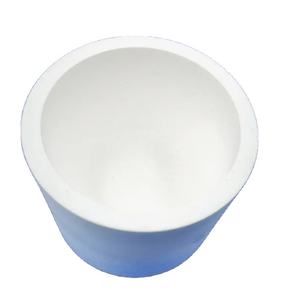
(Porous Ceramic Diffusers Generate Fine Bubbles for Efficient Wastewater Aeration)
The ceramic material used in these diffusers has tiny holes. Air pushed through these holes forms small, even bubbles. Small bubbles stay in the water longer than big ones. That gives more time for oxygen to dissolve. Plants using this system see lower energy bills because they need less air to get the same cleaning results.
Operators also report fewer clogs and less maintenance. The ceramic surface resists buildup from solids and chemicals in the water. This keeps airflow steady over time. Stable performance helps plants meet strict environmental rules without extra work.
Early tests show oxygen transfer efficiency can jump by up to 30 percent compared to older diffusers. That gain matters a lot at large facilities where energy costs add up fast. Some cities are already switching to this tech in their main treatment plants.
Manufacturers say the diffusers last longer than plastic or rubber alternatives. They handle rough conditions without cracking or wearing out quickly. Replacement parts are simple to install during normal shutdowns. Staff do not need special training to use them.
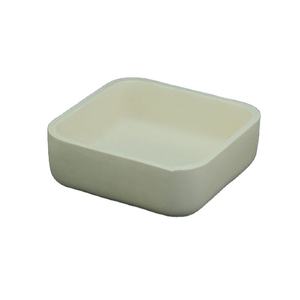
(Porous Ceramic Diffusers Generate Fine Bubbles for Efficient Wastewater Aeration)
Water agencies looking to cut costs and boost performance are taking notice. The shift toward fine-bubble aeration using porous ceramics is growing fast. It offers a practical upgrade for aging infrastructure. Many experts call it one of the most cost-effective improvements available today.